
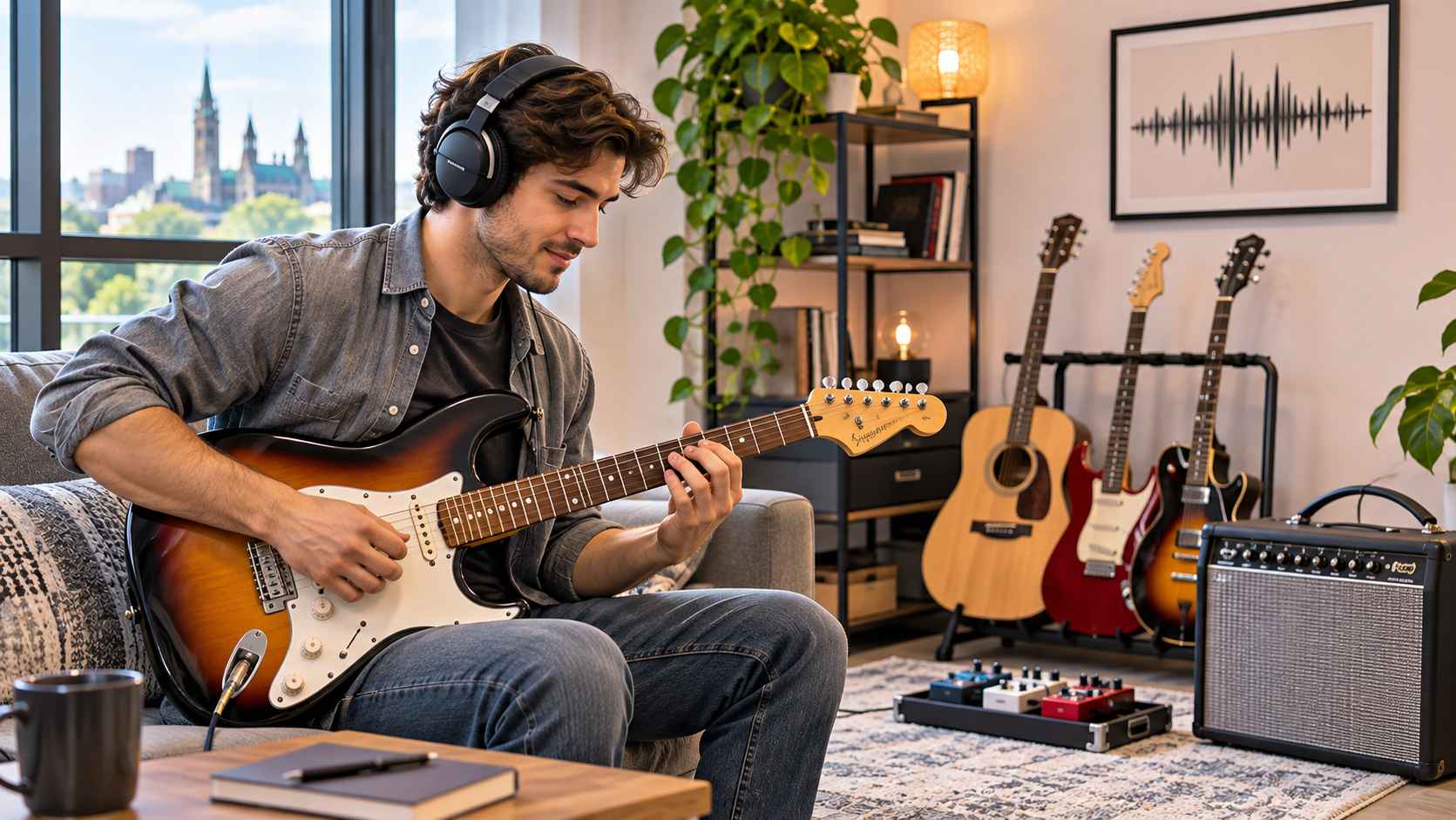
For musicians, a home is often more than a place to relax after work. It can also be where new songs take shape, guitar techniques improve, and creative ideas develop.
However, finding an apartment that comfortably accommodates musical interests requires a little extra planning.
Guitars, amplifiers, keyboards, recording equipment, and other instruments need suitable storage. Practice sessions also require consideration for neighbours, particularly in buildings where several households share walls, floors, and common spaces.
Whether you’re a professional musician, an enthusiastic guitarist, or someone learning an instrument for the first time, the right rental apartment should support your creative interests without overlooking everyday residential responsibilities.
Choose an Apartment Layout That Accommodates Instruments
Apartment size is important, but layout can be equally significant for musicians.
A large living room may seem appealing, yet limited storage or awkward furniture placement could make it difficult to organize equipment.
Think About Your Musical Setup
Before viewing an apartment, consider which instruments and accessories need space.
A guitarist might own several guitars, an amplifier, a pedalboard, and recording equipment.
Someone who plays keyboard may require a dedicated stand and comfortable seating.
Think about where instruments will be stored, how often they will be used, and whether enough space remains for ordinary household activities.
Renters exploring Ottawa apartments for rent can compare individual floor plans and assess whether the available space supports their musical interests.
Organize Guitars, Amplifiers, and Equipment Carefully
Music equipment can occupy considerable space, especially when several instruments are involved.
Thoughtful organization helps keep an apartment comfortable while protecting valuable belongings.
Use Practical Storage Solutions
Guitar stands and appropriate instrument cases can help organize equipment without requiring permanent wall installations.
Small shelves or portable storage containers may accommodate cables, tuners, pedals, and other accessories.
Amplifiers should be positioned where they do not obstruct walkways or ventilation openings.
Avoid stacking heavy equipment insecurely or placing instruments where they could fall.
For renters with limited space, portable storage solutions are often preferable to permanent modifications.
Protect Instruments From Temperature and Humidity Changes
Certain musical instruments are sensitive to environmental conditions.
Acoustic guitars and other instruments containing wood can be affected by changes in temperature and humidity.
Excessively dry or humid conditions may influence wooden components, while sudden temperature changes can create additional concerns.
Create Suitable Storage Conditions
Avoid placing instruments directly beside heating equipment, radiators, or windows exposed to strong sunlight.
A suitable case can provide additional protection when an instrument is not being used.
Musicians may also consider monitoring indoor humidity and following the care instructions provided by their instrument manufacturer.
Any humidity-control accessories should be used according to their instructions.
The objective is to maintain reasonably stable storage conditions without making unauthorized changes to apartment heating or ventilation systems.
Understand How Sound Travels Through Apartment Buildings
One of the biggest considerations for apartment-dwelling musicians is sound transmission.
Music can travel through walls, floors, ceilings, and structural elements.
Even when a musician considers the volume moderate, neighbours may experience the sound differently.
Consider Different Types of Sound
Amplified guitars, bass instruments, and percussion can produce sounds that travel through building materials.
Lower-frequency vibrations may be particularly noticeable in neighbouring spaces.
Acoustic instruments can also be audible beyond the room in which they are played.
Health Canada’s information on noise and its effects on well-being explains how unwanted sound can cause annoyance and disturb sleep, depending on the circumstances.
Being mindful of practice volume and timing is therefore an important part of shared residential living.
Review Building Rules Before Planning Practice Sessions
Residential buildings may have policies concerning noise, quiet periods, and activities that could disturb other residents.
These arrangements can differ between properties and jurisdictions.
Before signing a rental agreement, ask how the building addresses noise concerns.
Ask About Practice Expectations
Useful questions include whether there are designated quiet periods and how residents should report noise-related concerns.
Renters should also clarify any relevant building policies before bringing large or unusually loud equipment into an apartment.
No apartment should be assumed to be soundproof or appropriate for unrestricted amplified practice.
Understanding the building’s expectations helps musicians make informed decisions before moving.
Create a Compact Home Practice Area
A dedicated music room is not essential for every musician.
A well-organized corner of a bedroom or living room may provide sufficient space for individual practice.
Keep the Setup Simple
A compact practice area might include a comfortable chair, music stand, instrument case, and small storage container.
Guitarists using suitable equipment may consider headphone-compatible practice arrangements to reduce sound from amplified playing.
However, headphones do not eliminate every source of noise, including physical vibrations and acoustic instrument sounds.
A rug and soft furnishings may reduce some reflections within a room, but they should not be treated as soundproofing.
Choose portable equipment and avoid permanent installations without landlord approval.
Find Nearby Rehearsal Spaces and Music Communities
Not every musical activity is suitable for a residential apartment.
Band rehearsals, amplified performances, and extended recording sessions may require more specialized environments.
Fortunately, musicians can explore alternatives outside their homes.
Research Local Music Facilities
Rehearsal studios, community music programs, and educational facilities may offer suitable opportunities, depending on availability and their operating arrangements.
Local music shops and community groups can also help musicians connect with others who share their interests.
For guitar enthusiasts in Ottawa, exploring local performances, music events, and rehearsal opportunities can complement practicing at home.
Before selecting an apartment, consider how conveniently you can reach the facilities you expect to use.
Communicate Respectfully With Neighbours
A positive relationship with neighbours can make apartment living more comfortable.
Musicians should recognize that residents may have different work schedules, family responsibilities, and expectations concerning noise.
For example, someone working early mornings may be particularly sensitive to late-evening practice.
Be Considerate Without Making Assumptions
Where appropriate, friendly communication can help residents understand one another’s routines.
However, musicians should not assume that informal permission from a neighbour overrides building rules.
If a concern arises, respond respectfully and consider adjusting the timing, volume, or location of practice.
Property management may also assist with concerns involving building policies or shared residential spaces.
Evaluate Your Rental Options With Music in Mind
Apartment searches should consider both creative requirements and ordinary household needs.
For example, someone who regularly practices acoustic guitar may have different priorities from a musician relying primarily on digital recording equipment.
Renters browsing available rental apartment options can compare layouts, locations, and available property information before arranging viewings.
Questions to Ask During a Viewing
- Is there enough space for instruments and equipment?
- Can instruments be stored away from unsuitable heat or moisture?
- What building rules apply to noise and quiet periods?
- Are there restrictions on modifying walls or installing storage?
- How are resident noise concerns handled?
- Are suitable rehearsal facilities accessible from the neighbourhood?
- Does the apartment accommodate everyday furniture alongside musical equipment?
These questions can help musicians identify practical considerations without assuming that particular buildings offer specialized music facilities.
Make Creativity Part of a Respectful Apartment Lifestyle
Living in an apartment does not mean abandoning musical interests.
With thoughtful organization, appropriate equipment, and consideration for neighbouring residents, musicians can create spaces that support individual practice and creativity.
The key is recognizing the difference between activities that fit comfortably into a residential environment and those better suited to dedicated rehearsal facilities.
Apartment layout, instrument care, sound transmission, building policies, and neighbourhood access all deserve consideration.
By evaluating these factors before moving and remaining considerate afterward, musicians can enjoy their creative hobbies while respecting the shared living environment.
A suitable home should provide room for everyday life and personal interests, even when the music needs to stay at a considerate volume.